
Hot Tub Insulation & R-Value: What Every Hot Tub Buyer Should Know
When shopping for a hot tub or swim spa, you’ll often hear manufacturers talk about insulation and “R-value.” While these terms sound technical, understanding them can help you make a smarter investment and avoid expensive mistakes down the road.
What Is an R-Value?
R-value is a measurement of a material’s resistance to heat flow. In simple terms, the higher the R-value, the better the insulation material is at slowing heat loss.
However, it’s important to understand that R-value only applies to individual materials — such as insulation foam, windows, or walls — not to an entire finished product like a hot tub or refrigerator.
That means any company advertising an “overall hot tub R-value” is being misleading. While a manufacturer can accurately state the R-value of the insulation material used inside the spa, there is no legitimate overall R-value rating for a complete hot tub.
A hot tub’s true energy efficiency depends on several factors working together, including:
- Cabinet insulation
- Shell insulation
- Cover quality and fit
- Base construction
- Heat retention design
- Pump efficiency
- Air sealing
Even the highest-rated insulation material won’t perform well if heat is escaping through a poorly fitted cabinet, thin cover, or uninsulated floor. It’s similar to a house with thick wall insulation but drafty windows and doors — heat loss still occurs.
Foam-Filled vs. Thermally Insulated Hot Tubs
One of the biggest debates in the hot tub industry is full foam insulation versus thermal cavity insulation systems.
Full Foam Insulation
Full foam insulation involves filling the entire cabinet area with dense spray foam around the plumbing and shell. While some manufacturers market this as the most energy-efficient option, there are several drawbacks homeowners should consider.
Downsides of Full Foam Hot Tubs
- Repairs can become extremely expensive and time-consuming
- Technicians often need to dig through large amounts of hardened foam to locate leaks
- Leak locations can be difficult to trace because water may travel through the foam before becoming visible
- In severe cases, spas may need to be lifted or partially disassembled for access
Many service professionals agree that foam-filled spas are significantly harder to repair compared to accessible thermal-insulated systems.
Additionally, while some brands claim major energy savings from full foam construction, unbiased long-term testing proving dramatic superiority remains limited. If full foam were unquestionably the best solution in every category, every manufacturer would use it exclusively.
Non-Foam Filled Insulation Systems
Not all non-foam insulated hot tubs are built the same. There are two common approaches.
Basic Cabinet Insulation
Lower-cost manufacturers may simply add insulation panels to the cabinet walls while leaving plumbing lines and the underside of the spa exposed.
While this method is inexpensive to manufacture, it allows cold outside air to impact critical components and reduces overall heat retention. These systems are commonly found in budget or mass-produced hot tubs.
Thermal Cavity Insulation: The Best of Both Worlds
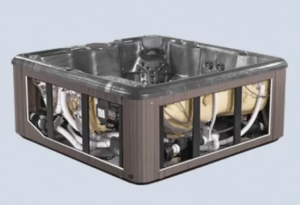
A properly engineered thermal cavity insulation system is widely considered one of the most efficient and service-friendly designs available today.
This method insulates:
- The cabinet walls
- The spa base
- Portions of the shell
Instead of trapping heat inside foam, the system captures and recirculates residual heat generated by the pumps and equipment throughout the cabinet cavity. This warm air helps maintain water temperature more efficiently while protecting plumbing components during colder weather.
Benefits of Thermal Cavity Insulation
- Improved energy efficiency
- Easier and less expensive repairs
- Better equipment accessibility
- Reduced stress on heaters and pumps
- Lower long-term operating costs
- Better cold-weather performance
Additional spray foam applied directly to the shell helps retain water temperature while still allowing technicians quick access to plumbing and equipment when service is needed.
Why PDC Spas Stand Out
PDC Spas uses an advanced thermal insulation system known as TemperLok™ insulation technology.
This design combines efficient heat retention with easy service accessibility, giving homeowners a balance of:
- Energy efficiency
- Reliability
- Lower repair costs
- Long-term performance
For homeowners in colder climates, this style of insulation can provide excellent year-round comfort without excessive operating expenses.
How Much Does It Cost to Run a Hot Tub?
One of the most common questions new buyers ask is:
“How much will my hot tub cost to operate each month?”
The honest answer is that it depends on several factors, including:
- Local electricity rates
- Outdoor temperatures
- Frequency of use
- Desired water temperature
- Quality of insulation
- Condition of the spa cover
Much like fuel mileage in a vehicle, actual energy usage varies from homeowner to homeowner.
That said, a high-quality, properly insulated hot tub from a reputable manufacturer can be surprisingly affordable to own. Based on decades of experience, many PDC Spas owners report average operating costs around $1 per day under normal conditions.
Looking for a PDC Spas Hot Tub?
At Prime Spa Care, we help homeowners throughout Southeastern Pennsylvania find the perfect hot tub or swim spa for their home and budget.
We provide:
- Hot tub sales
- Professional installation
- Routine maintenance
- Expert repairs
- Water care support
Whether you’re comparing insulation systems, looking for an energy-efficient spa, or upgrading your backyard experience, our team is here to help.
Contact Prime Spa Care today to learn more about PDC Spas hot tubs and swim spas.